2026-09-15 ·
Managing Tree Roots Near Underground Utilities in El Monte
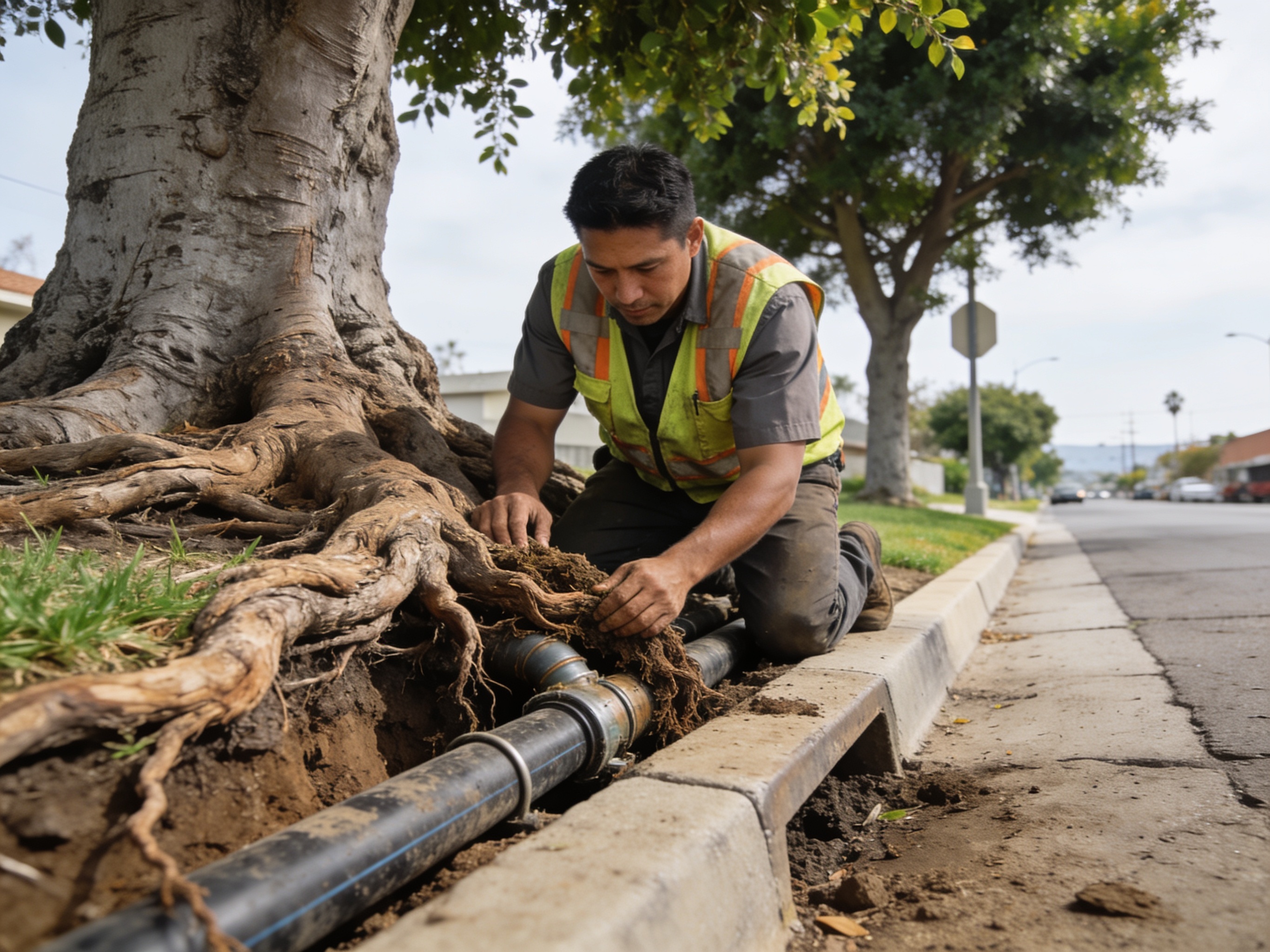
In El Monte, managing tree roots near underground utilities starts with targeted root pruning at 12-18 inches from the trunk when roots approach lines, combined with regular monitoring to prevent encroachment while preserving tree stability in the local warm Mediterranean climate.
Understanding Soil Conditions and Root Growth Patterns
El Monte sits in Los Angeles County with soil types that range from sandy loam in North El Monte to heavier clays near South El Monte and around Legg Lake. These conditions influence how aggressively roots seek water and nutrients, especially during hot summers when surface moisture evaporates quickly. Mild winters allow year-round root activity, so roots can reach utility depths faster than in cooler regions. Older homes in Downtown El Monte often have shallower utility lines installed decades ago, increasing contact risk. Property owners near Arroyo High see similar patterns because established trees like mulberry and ficus develop extensive lateral roots that follow irrigation and sewer lines. Checking soil moisture at 12-inch intervals before any work helps determine whether roots are actively growing toward pipes or cables.
Identifying Utility Risks in Local Neighborhoods
Underground utilities in El Monte neighborhoods run close to the surface in many blocks built before 1970, particularly around El Monte City Hall and the El Monte Historical Museum area. Roots from mature trees can crack sewer laterals or lift sidewalks when they encounter compacted fill soil common in West Covina and Baldwin Park borders. Hot summer temperatures accelerate root expansion as trees search for consistent moisture, while winter rains can soften soil and allow roots to shift lines. Signs of interference include slow drains, recurring sewer backups, or uneven pavement near the trunk. Properties in Arcadia-adjacent sections of El Monte face added pressure from larger canopy trees whose roots extend 20-30 feet outward. Mapping utility locations before planting or pruning prevents most conflicts.
Practical Root Pruning and Monitoring Steps
Begin by locating utilities through local marking services, then expose roots carefully with hand tools rather than heavy equipment. Perform root pruning only on roots smaller than 2 inches in diameter and at least 12 inches from the trunk to maintain stability. Schedule work during milder spring or fall months when El Monte temperatures stay below 85 degrees to reduce tree stress. After pruning, apply mulch 2-4 inches deep over the root zone to retain moisture and discourage new surface rooting. Re-inspect every 8-12 months, especially after heavy rains, and document any regrowth. For repeated issues near power lines or house foundations, root damage repair restores soil structure without full removal. Homeowners can also review how soil type affects tree health in El Monte, CA for deeper site-specific guidance.
When Professional Assessment Becomes Necessary
If roots have already contacted lines or caused visible settling, contact a local crew for a full evaluation rather than attempting DIY cuts near gas or electric conduits. Crews based at 10958 Valley Mall, El Monte, California, 91731 operate Monday through Friday 8am-6pm and Saturday 9am-2pm to handle assessments in neighborhoods from Downtown El Monte to areas bordering Arcadia. They use air-spade excavation to trace roots without damaging utilities and recommend tree removal near power lines only when pruning cannot resolve the conflict safely. This approach keeps established trees healthy while protecting infrastructure common throughout Los Angeles County.