2026-09-15 ·
Protecting Your Landscape: Tree Disease Identification in El Monte, CA
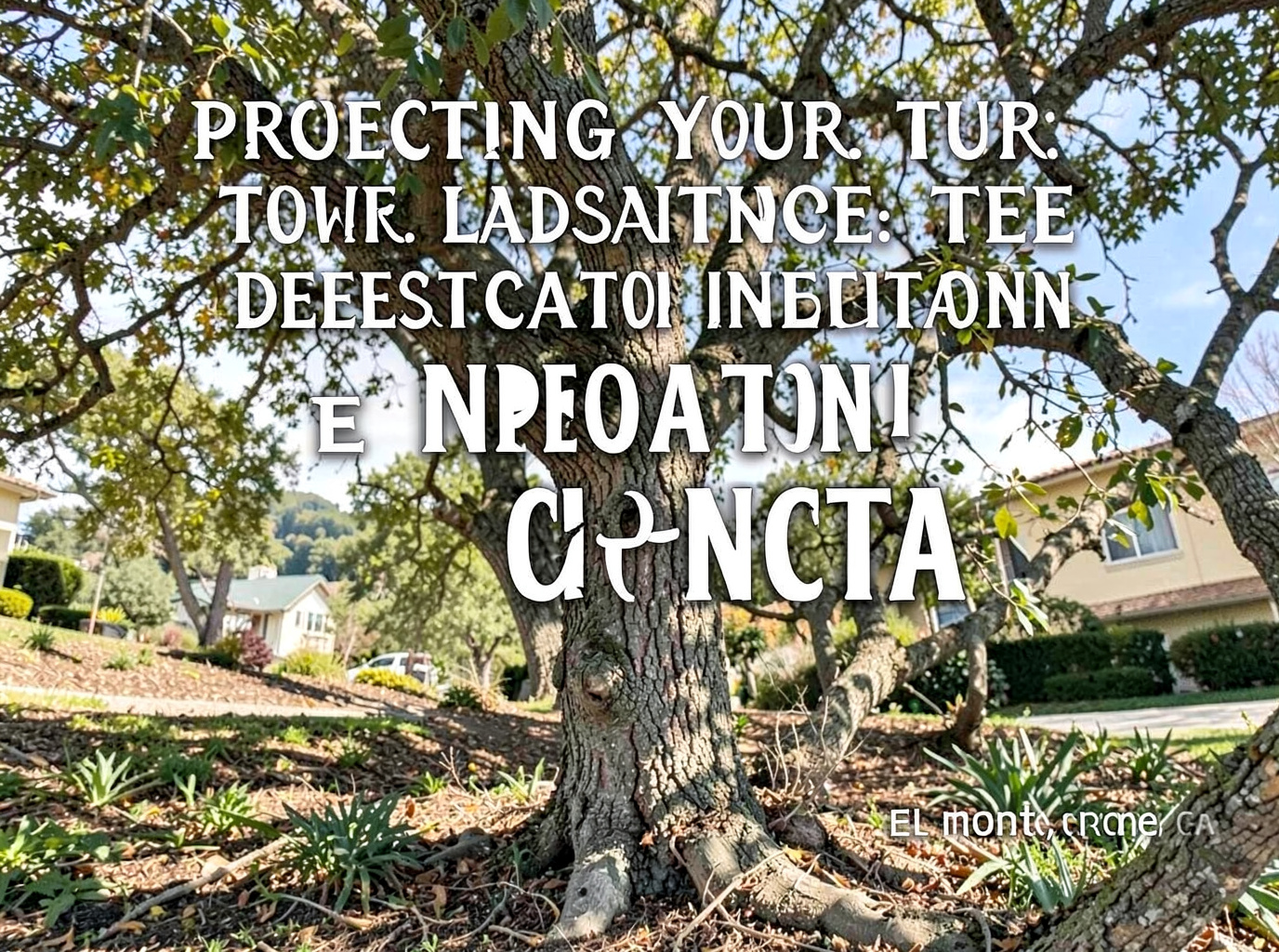
Tree diseases in El Monte often show up first through changes in leaf color, bark texture, or branch dieback, especially in the hot summer months when stress from the warm Mediterranean climate accelerates problems in Los Angeles County yards. Mature trees in South El Monte and North El Monte face higher risks due to the area's older housing stock and compacted soils near landmarks like El Monte City Hall.
Spotting Early Symptoms in Local Trees
Residents in Downtown El Monte and around the El Monte Historical Museum frequently encounter fungal issues on ficus and elm trees that thrive in mild winters. Look for wilting leaves that persist past normal seasonal drop, dark cankers on trunks, or mushrooms growing at the base after rare rains. These signs differ from normal shedding in the region's hot summers. Checking branches near Legg Lake reveals how poor drainage in low-lying spots promotes root rot in older plantings common to Baldwin Park and West Covina borders.
Walk the property weekly during peak heat to note any sudden thinning in the canopy. Discolored sap or insect bore holes often accompany disease in eucalyptus near Arroyo High. Soil compaction from decades of urban development in Los Angeles County makes roots more vulnerable, turning minor infections into larger threats within one growing season.
Climate and Soil Factors Unique to El Monte
The warm Mediterranean climate delivers long dry spells broken by occasional winter moisture that favors pathogens on stressed trees in Arcadia-adjacent streets. Hot summers push water demand higher, weakening defenses in trees planted decades ago around South El Monte homes. Clay-heavy soils common near West Covina limit oxygen to roots, creating perfect conditions for decay fungi that spread faster than in better-drained areas.
Mild winters prevent full dormancy, allowing diseases to remain active year-round unlike colder regions. This pattern means early identification in fall prevents widespread canopy loss by spring. Properties bordering Baldwin Park see extra pressure from shared wind patterns carrying spores between yards.
Practical Steps for Ongoing Monitoring
Begin inspections at ground level, examining the root flare for soft spots or oozing. Move upward to check scaffold branches for cracks or sunken areas that signal internal decay. Document changes with photos taken at the same time each month to track progression through the hot season. Focus on high-value trees near structures in North El Monte where proximity to power lines adds urgency.
Test soil moisture at 12-inch depths during summer to avoid overwatering that invites root issues. Prune only deadwood when temperatures allow clean cuts without stressing the tree further. These habits reveal patterns tied to the specific microclimates around El Monte City Hall versus hillier spots near Duarte.
Seeking Professional Assessment
When symptoms appear across multiple trees or affect large specimens, professional tree disease diagnosis provides clarity on whether treatment or removal is needed. In cases of advanced fungus, tree fungus treatment options can be evaluated against the tree's overall condition and location risks. For properties in older sections of South El Monte, this step often precedes any permit considerations detailed in Understanding Tree Removal Permits in El Monte, CA.